

Mesh vs Jet Nebulizers: Which One Should You Choose?


Auteur
Découvrez la différence Xiamen Tianzuo Medical – où chaque produit témoigne de notre engagement envers la santé et la sécurité.
Marie R. Winters


Mesh vs Jet Nebulizers: Which One Should You Choose?
Choosing between a mesh and a jet nebulizer is less about which technology is "better" and more about where the device will be used, who will breathe through it, and what your team can maintain. This comparison gives procurement and clinical leads a straight answer up front, then breaks down noise, portability, medication range, and total cost so you can spec with confidence.
- The short answer: which nebulizer fits which setting
- How mesh nebulizers work—and where they win
- How jet nebulizers work—and where they still matter
- Noise, treatment time, and medication range side by side
- Matching the device to clinics, homecare, and pediatrics
- Quality, compliance, and a procurement checklist
Mesh vs Jet Nebulizers: The Short Answer
If you need quiet, portable, battery-friendly delivery for homecare, pediatrics, or bedside rounds, choose a mesh nebulizer. If you are equipping a high-throughput clinic or hospital where devices stay plugged in and are shared between patients, a jet system—a compressor plus a nebulizer cup or kit—remains the practical, serviceable workhorse. That is the whole decision in one sentence; the rest of this guide explains why.
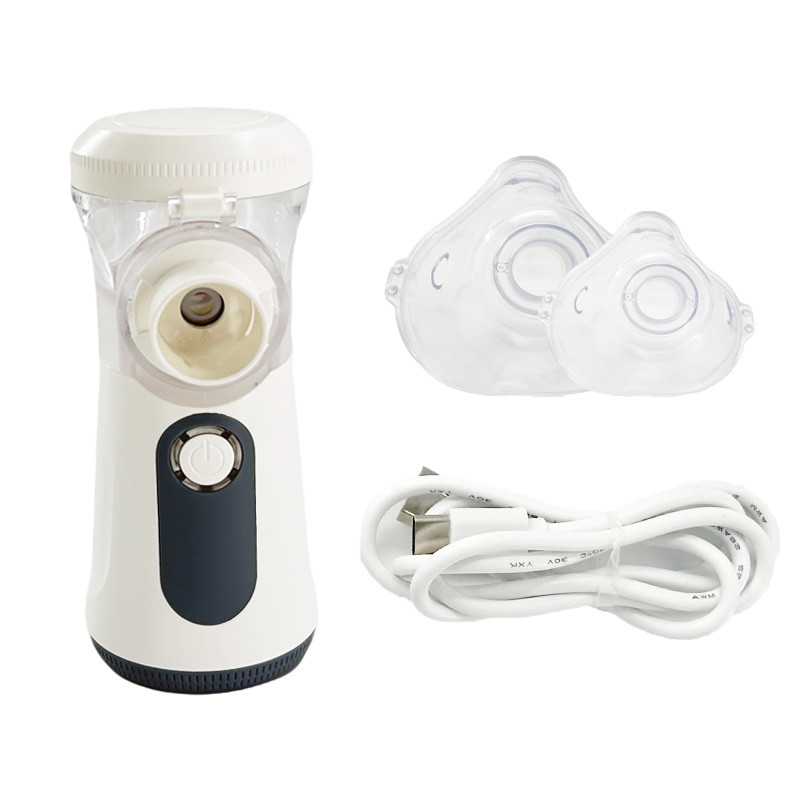
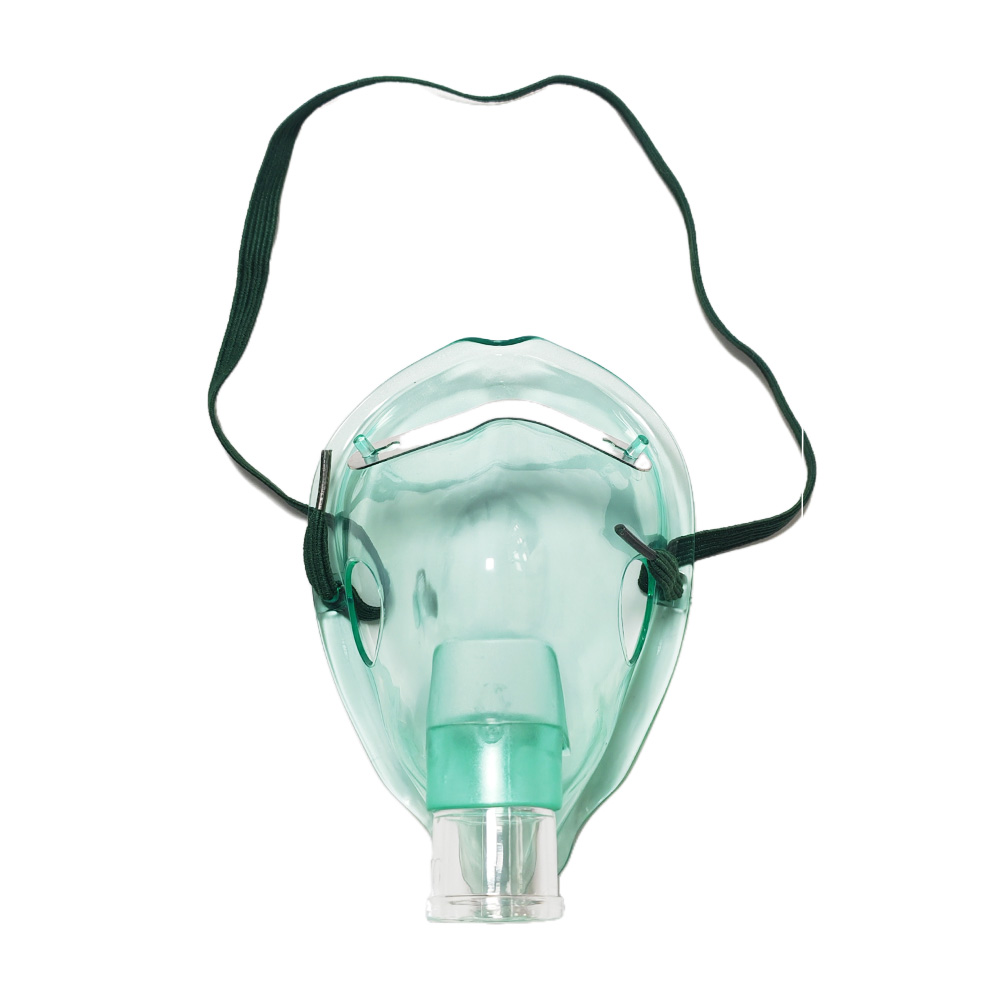
We recommend carrying both categories in a well-run respiratory formulary rather than forcing one technology to cover every case. Mesh devices such as the TW9005 ultrasonic mesh nebulizer solve the comfort and mobility problem. Jet-side consumables such as the TW8345 nebulizer kit solve the throughput, durability, and replacement-cost problem. Procurement teams that understand this split spec faster and avoid the common mistake of buying one device type for all departments.
How Mesh Nebulizers Work—and Where They Win
A mesh nebulizer uses a micro-perforated plate that vibrates at high frequency to push liquid medication through tiny apertures, producing a fine aerosol without compressed gas. The practical consequence is a device that can be held in the hand, powered by batteries or USB, and operated with very little noise. For a child who is frightened by a compressor, or an adult doing overnight therapy at home, that difference determines whether treatment actually happens.
The trade-off is that the mesh plate is the precision component: it needs correct cleaning and timely replacement to keep output consistent. We advise buyers to confirm the availability and unit cost of replacement mesh cups before committing to a platform—a cheap handheld device with expensive or scarce consumables is rarely the lowest-cost option over a full year. Ask for the current instructions for use and a written spare-parts policy as part of the tender.
How Jet Nebulizers Work—and Where They Still Matter
A jet nebulizer relies on a stream of compressed air or oxygen passing through a narrow jet to shear liquid into droplets. The device itself—the cup, mask, and tubing—has few moving parts, which is exactly why it remains the backbone of busy treatment rooms and emergency departments. Compressor units are built for continuous duty, and the consumable kit can be swapped between patients in seconds under a facility's cleaning protocol.
The downsides are noise, size, and dependence on a power outlet or gas source. In a shared clinic these are manageable; at a bedside or on a home visit they are not. Jet systems also tend to take longer per treatment than a well-matched mesh device, which matters when a respiratory department is running a full appointment list. For buyers, the decider is usually simple: is the device stationary and shared, or mobile and personal?
Noise, Treatment Time, and Medication Range Side by Side
When procurement compares the two technologies, three variables recur. Noise: mesh units are markedly quieter, which improves compliance for children and night-time users; jet compressors are audible and better confined to a treatment area. Portability: mesh devices are handheld and often battery-powered, while jet systems need a compressor or wall gas. Medication range: jet nebulizers are established across a broad set of liquid formulations and are familiar to clinical staff; mesh devices handle those same nebulised solutions but the buyer should confirm compatibility for any viscous or suspension preparation with the manufacturer.
Cost should be read as total cost of ownership, not sticker price. Include the device, the mask and tubing, replacement mesh plates or jet cups, cleaning supplies, and staff time. A mesh platform that reduces caller complaints and missed home treatments can justify a higher unit price; a jet platform that standardises on a low-cost, widely available consumable can win in a high-volume ward. Neither answer is universal, which is why we ask buyers to map the device to the care setting first.
Matching the Nebulizer to Clinics, Homecare, and Pediatrics
For homecare and travel, a handheld mesh device is the default recommendation: quiet, light, and simple enough for a patient or caregiver to operate. For pediatrics, pair that quiet device with a well-fitting mask in the right size—our TW8345 kit covers full sizes, and comfortable interfaces are as important as the nebulising engine. For busy outpatient clinics and emergency rooms, standardise on jet kits with a reliable compressor, because consumable availability and fast turnaround beat portability.
Respiratory departments often need a third category as well: drug delivery alongside oxygen therapy. If your patients are already on supplemental oxygen, review our guides to choosing an oxygen mask and specifying a nasal cannula so the interface and the nebulizer are specified together rather than in isolation. For higher-acuity airflow needs, our HFNC guide covers when a high-flow system is the better fit.
Quality, Compliance, and a Procurement Checklist
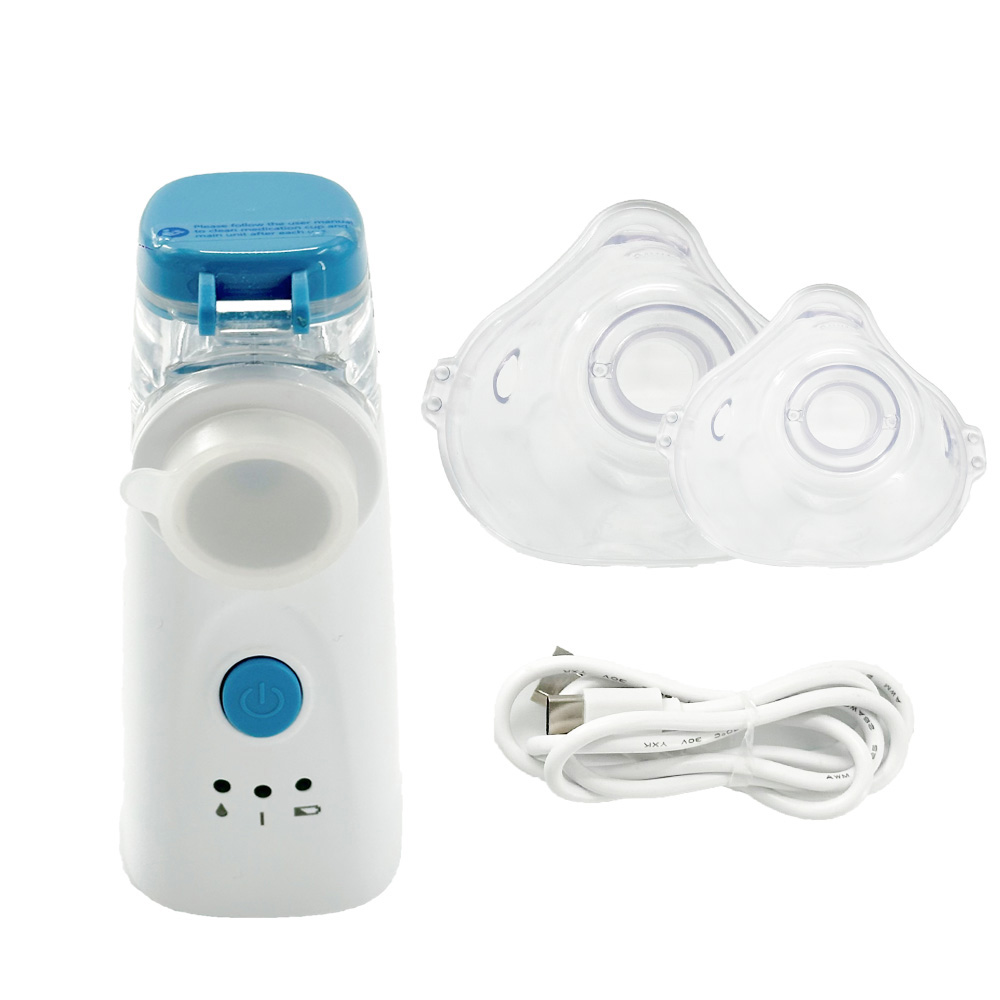
Whatever technology you select, the compliance file should be identical. Verify CE marking, ISO 13485:2016 quality-management certification, and FDA-listed documentation for the relevant line; confirm latex-free materials where specified; and request batch-level traceability. Ask for the current instructions for use, cleaning and disinfection instructions, a medication-compatibility statement, and the warranty and spare-parts terms. Our mesh nebulizers, nebulizer cups, and mask-and-tubing kits—including the TW8505E mesh nebulizer cup and the TW8520C dual-way cup—are supplied with that documentation set.
A practical six-step checklist: (1) define the care settings and whether the device is mobile or stationary; (2) decide mesh, jet, or both by department; (3) confirm mask and size coverage for your patient mix; (4) verify noise, power, and cleaning requirements; (5) check certification, latex-free status, and spare-parts supply; (6) confirm OEM/private-label, MOQ, and after-sales support. Run that list before you compare prices, and the right choice usually becomes obvious.
Why a Mixed Fleet Reduces Risk
The most resilient respiratory programs we see do not bet on a single technology. They keep quiet mesh devices for homecare and pediatrics, standard jet kits for high-throughput treatment areas, and a common set of masks and tubing across both. That mix simplifies training because staff recognise one interface family, and it protects supply because a shortage in one consumable does not halt every department. For a multi-site buyer, that resilience is worth more than a marginal saving on a single device type.
Standardising the supplier as well as the device compounds the benefit. One factory-direct source for mesh units, nebulizer cups, and mask kits means one compliance file, one label standard, and one logistics plan—fewer vendors to audit and fewer mismatched parts in the store room. Specify the fleet on paper, then source it as a program.
Related Products
Why Partner With Tianzuo Medical
Xiamen Tianzuo Medical Co., Ltd. is a factory-direct manufacturer of respiratory and emergency devices, serving hospital procurement teams, distributors, clinics, and OEM/ODM partners across more than 30 markets. Our breathing range—mesh nebulizers, nebulizer cups, mask-and-tubing kits, oxygen masks, and nasal cannulas—is built on ISO 13485:2016 quality management, with CE marking and FDA-listed documentation available per product line.
We support low minimum order quantities, private-label and customization programs, and consolidated shipping so you can standardize your respiratory consumables and reduce SKU complexity across every site. Every device is supplied with current instructions for use and batch traceability.
Ready to spec your next order? Contact our team or email Stephen@tzmed.com for a factory-direct quote, samples, and a tailored nebulizer configuration.
Frequently Asked Questions
What is the difference between a mesh nebulizer and a jet nebulizer?
Which nebulizer is quieter for pediatric or home use?
Can a jet nebulizer kit be used with an oxygen source instead of a compressor?
Are Tianzuo nebulizers latex-free and certified?
Does Tianzuo offer OEM/ODM and low-MOQ nebulizer orders?
- Comment utiliser un spiromètre à trois billes : Guide pratique pour la récupération respiratoire post-opératoire
- Comment choisir un dispositif d'immobilisation de la tête : Guide d'achat B2B pour les services d'urgence et les hôpitaux
- Canule nasale à haut débit (HFNC) : comment ça marche et quand la choisir plutôt qu’un masque à oxygène standard
- Canule nasale à oxygène : l’outil discret et indispensable de l’oxygénothérapie (et comment bien la paramétrer)
- Attelle pneumatique ou plâtre : quel dispositif d'immobilisation choisir ?
- Masque Venturi ou masque sans réinspiration : quel dispositif d’administration d’oxygène choisir ?
- Masque laryngé (LMA) ou sonde endotrachéale : comment choisir la voie aérienne appropriée
- Comment choisir un masque CPAP : masque facial complet, masque nasal ou masque à coussinets nasaux (Guide d’achat 2026)